FIFA clears Fox over World Cup advertising overrun in opening-match mix-up
Fox avoided sanction after breaching FIFA advertising rules during the World Cup opener between Mexico and South Africa, returning late from a break it had not realised was coming.
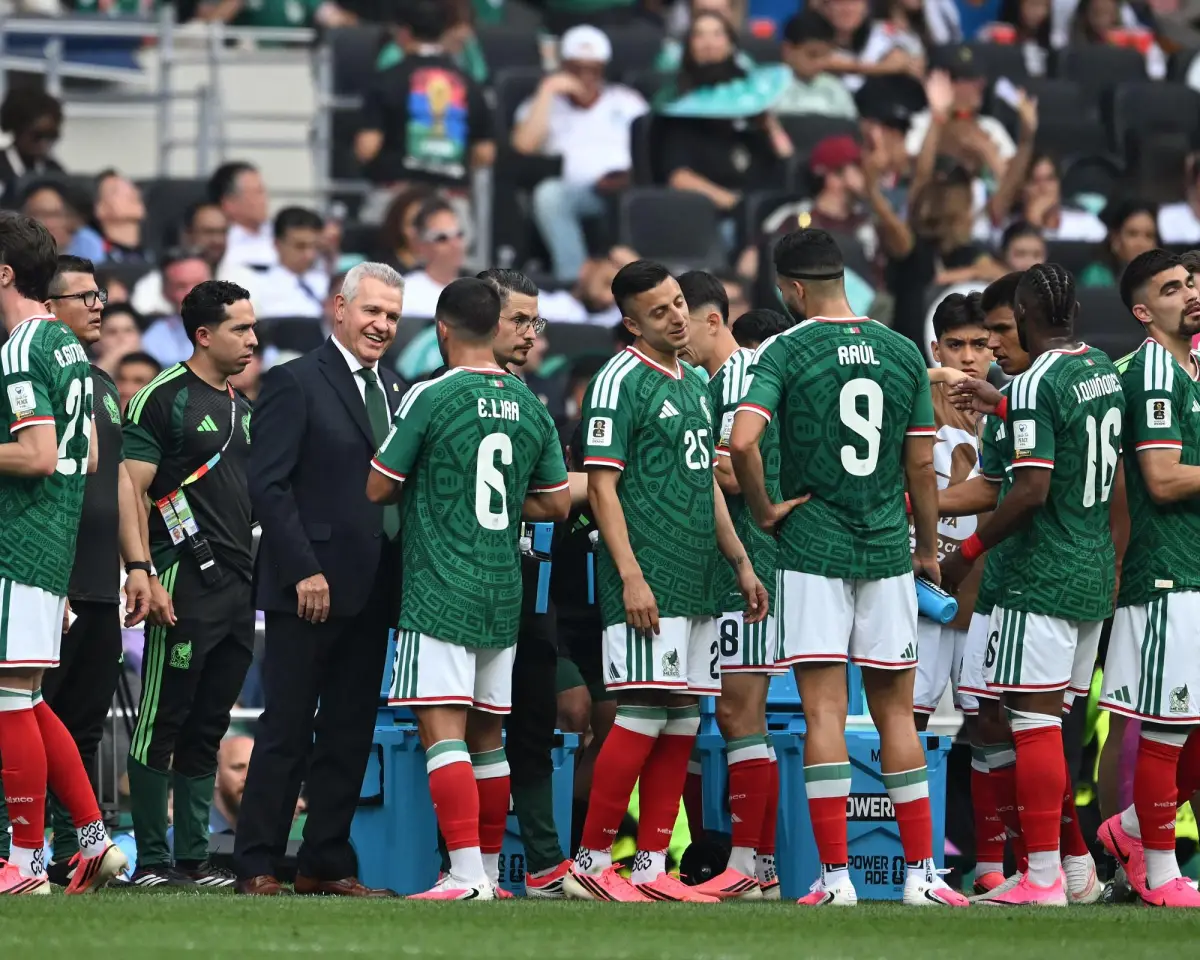
The World Cup's opening match delivered drama on the pitch and a minor controversy off it, as broadcaster Fox fell foul of FIFA's strict advertising rules during Mexico's meeting with South Africa. The American network has since been cleared of any wrongdoing, but the episode shone a light on the tightly governed business of broadcasting the tournament.
The issue arose in the second half, when Fox returned to live coverage shortly after play had already restarted. Under FIFA's regulations, issued to all rights holders well before the competition, broadcasters must be back on the action a set period before it resumes. Fox's commercials overran, and viewers who missed the opening seconds of the restart were quick to complain.
The network's explanation was straightforward: it had not realised the referee had signalled an early hydration break, which came after a Mexico goal, and the late recognition pushed its advertising out of sync. In effect, a stoppage arrived sooner than expected, and the commercial schedule could not adjust in time. FIFA accepted the reasoning and opted against disciplinary action.
Hydration breaks have become a fixture of tournaments staged in hot climates, and they carry commercial as well as physical implications. Each pause is a window broadcasters can fill, but the rules around them are precise precisely because missing the restart frustrates viewers and undermines the product. Fox has not repeated the error since.
The contrast with the Spanish-language rights holder was notable. Telemundo chose to forgo full-screen advertising during hydration breaks entirely, a cleaner approach that sidesteps the timing risk altogether. The two strategies highlight how broadcasters weigh revenue against the danger of falling foul of the regulations.
For FIFA, the swift resolution suited everyone. A drawn-out dispute with a major rights partner over a few seconds of overrun would have served no one, and accepting an honest explanation kept the focus on the football. With no further sanctions expected, the matter is considered closed.
The episode is also a reminder of how much money rides on these broadcast windows. Rights holders pay enormous sums for World Cup coverage, and every advertising slot is carefully accounted for, which is why a few seconds of overrun draws scrutiny that would seem absurd in another context. Behind the spectacle sits a tightly run commercial operation, and FIFA polices it accordingly.
It is a small story in the scheme of a global tournament, but a revealing one about the machinery behind the broadcast. The action on the pitch is what fans tune in for; the rules that govern when they see it are the unseen scaffolding that holds the spectacle together. For more from the tournament, follow the latest football news.