The Bundesliga spine driving Nagelsmann's Germany at the World Cup
From the goalscorers to the defenders, a strong domestic-league core runs through this Germany side. A look at how the homegrown spine shapes Nagelsmann's team.
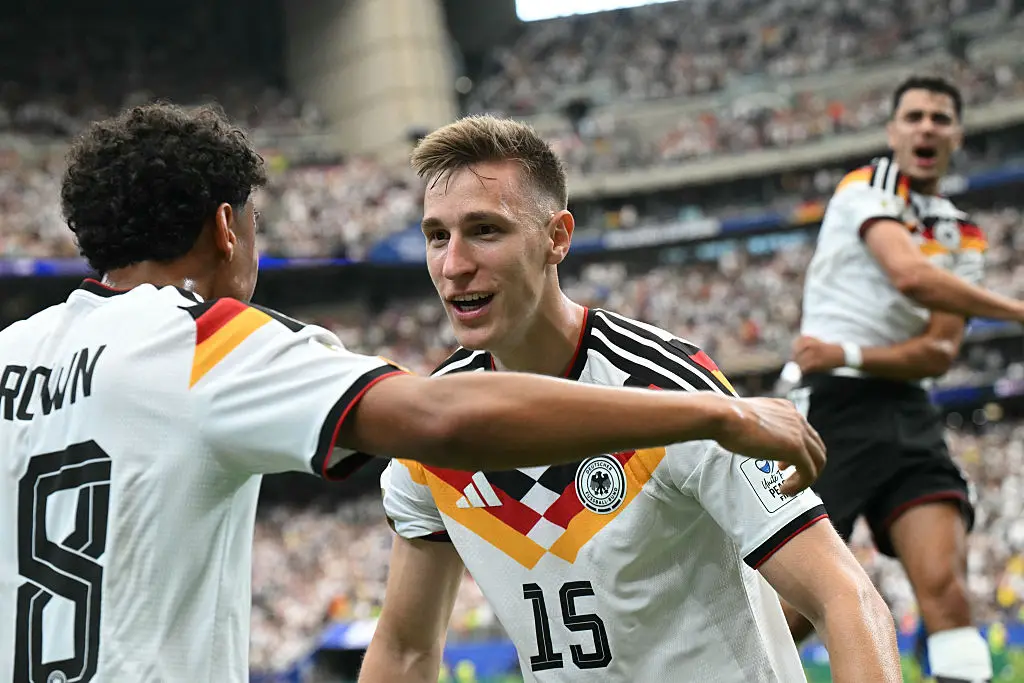
Great international sides are often built on a club spine, a group of players who know each other's games inside out, and Germany are no exception. A strong Bundesliga core runs through Julian Nagelsmann's squad at this World Cup, and its influence was on display from the opening match of their campaign.
The benefit of that domestic familiarity is real. Players who face each other week in, week out, or who share a dressing room at club level, arrive with an instinctive understanding that cannot be coached into a national team in a few short camps. The one-twos, the runs anticipated before they are made, the trust in tight moments, all of it flows more naturally when the relationships already exist.
It shows in the way Germany move the ball. The early goal in their opener came from slick interplay between players who know one another's tendencies, the kind of combination that looks rehearsed because, in a sense, it is. A side stitched together from a common league background can hit the ground running while others are still finding their rhythm.
There is a defensive dimension too. A back line drawing on players accustomed to the same tactical demands tends to communicate better and cover for each other more reliably, and Nagelsmann has leaned on that cohesion to give his team a solid base. Structure is what allows the attacking talent to express itself without fear.
The wider point is about identity. Germany have spent recent years searching for a clear sense of who they are, and a settled spine helps provide it. When the core of a team is familiar and balanced, a manager can build outward with confidence, adding flair around a dependable structure rather than hoping disparate parts will gel under pressure.
None of this guarantees success, and tournament football has a way of testing even the most cohesive sides. But starting from a position of understanding is a genuine advantage, particularly in the knockout rounds where fine margins and split-second decisions decide ties. Germany's spine gives them a head start in those moments.
As the tournament hardens into its decisive phase, that familiar core will be asked to lead, and a side that already trusts itself has a head start on those still searching for cohesion. It may prove Germany's quiet advantage.
As the tournament unfolds, that core will be asked to carry the team through its toughest tests. On the early evidence, it looks well equipped to do so. For more on Germany's campaign and the rest of the finals, follow the latest football news.