The expanded World Cup's underdog story: how the smallest nations are making their mark
Curacao scoring against Germany was the symbol of it, but the 48-team World Cup has given the game's smallest nations a stage, and they are seizing it.
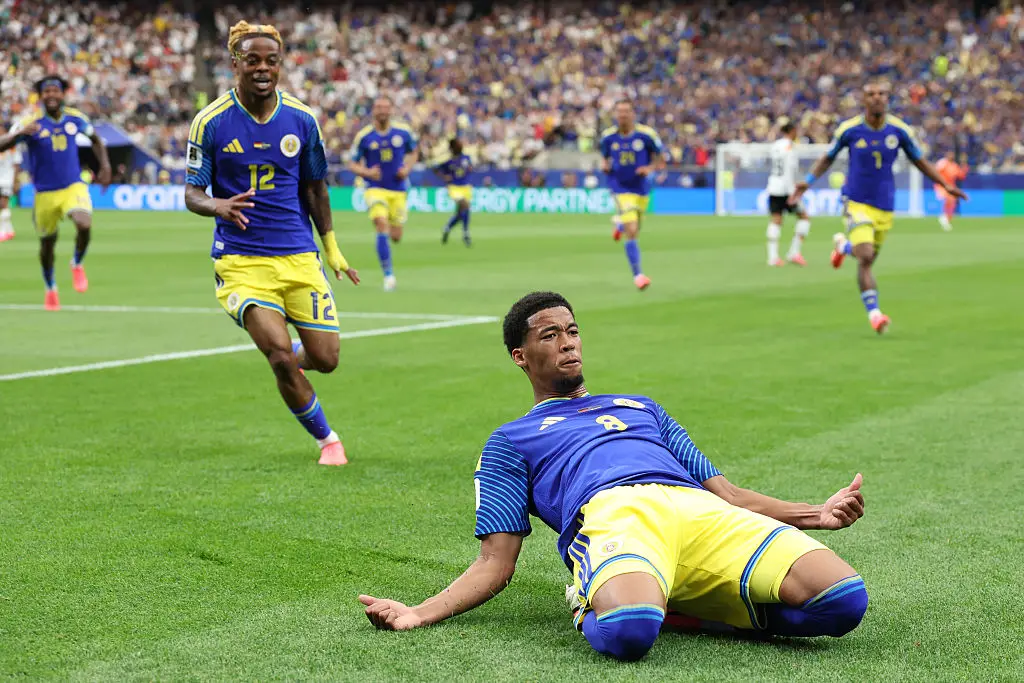
When the World Cup expanded to 48 teams, the fear was that it would dilute the tournament with mismatches. The early evidence tells a more uplifting story. The game's smallest nations have arrived not to make up the numbers but to compete, and Curacao's goal against Germany became the symbol of it.
Curacao, a Caribbean island of fewer than 160,000 people, are the smallest nation ever to reach the finals. For the first 20 minutes against the four-time champions they pressed high, disrupted Germany's rhythm and carved openings, playing with a freedom that comes from having nothing to lose. When they scored, the moment belonged not just to them but to every emerging football nation watching.
That is the quiet triumph of the expanded format. More slots mean more debutants, more first goals, more nights that a small federation will treasure for generations. The romance of the World Cup has always lived in these stories, the unheralded sides who steal a moment from the giants, and a bigger field simply creates more of them.
The counterargument, that the elite will rack up lopsided scorelines, has not vanished; Germany did, after all, run out comfortable winners in the end. But a heavy defeat does not erase the value of the experience. Emerging nations close the gap by testing themselves against the best, and every tournament a minnow plays in is an investment in the next generation back home.
There is a development dimension too. Qualification brings funding, attention and belief, and the players who feature become reference points for kids who suddenly see a pathway that did not exist before. The long-term health of the global game depends on exactly this kind of widening, even if the short-term scorelines are sometimes brutal.
Curacao are not alone. Across the groups, sides ranked far down the global order have frustrated favourites, defended bravely and, in some cases, sprung genuine upsets, proving that organisation and fearlessness can trouble anyone over 90 minutes. The expanded World Cup has handed them the platform, and they have repaid it with spirit.
The bigger the tournament, the more room there is for these stories to breathe, and that may prove the expansion's most enduring legacy. Trophies will still go to the giants, but the World Cup belongs, in part, to the brave, and Curacao reminded everyone of that.
The debate over the tournament's size will continue, but the underdog story is one of its clearest gains. For a country like Curacao, simply being there and leaving a mark is a victory in itself. For every result and storyline from the finals, follow the latest football news.