The 2026 World Cup was supposed to be a diluted mess. The Round of 32 just proved every sceptic wrong
Germany eliminated by Paraguay. Morocco through again. Haaland making history. The expanded 48-team format was meant to drain the drama from the World Cup. Instead it has produced the most compelling knockout round in decades.
When FIFA announced the expansion of the World Cup to 48 teams, the backlash from football purists was immediate and sustained. This was, they said, a dilution of the sport's greatest competition in pursuit of television markets and broadcast deals. More teams meant more meaningless group games, more mismatches, more padding around the same core of genuinely competitive nations. The Round of 32 was mocked before it was played. The extra matches were pre-emptively written off as a necessary inconvenience before the real tournament began.
Three weeks in, it is worth asking: what exactly were we afraid of?
Germany are home. Not knocked out in the group stage, which would have been the expected humiliation for a nation that collapsed in 2018 and again in 2022 - they got through the groups this time, took care of business, and then lost to Paraguay on penalties in the Round of 32 in one of the greatest upsets the tournament has produced in modern memory. Paraguay, a country that has never reached a World Cup quarter-final, eliminated the four-time world champions. The Enciso header, the VAR controversy, the shootout, the silence. That is not the product of a bloated tournament. That is football doing what football does best: reminding you that certainty is an illusion.
Morocco are through, for the second consecutive World Cup. They knocked out the Netherlands in Monterrey on penalties, the same generation that shocked Portugal and Spain in Qatar doing it again in North America to different opponents with the same suffocating defensive conviction. What exactly has expanded participation done to diminish that? Morocco are here because they qualified. They earned every match they played. Their passage through the knockout stage is not a footnote in someone else's story. It is the story.
Norway played their first World Cup knockout match since 1998. Erling Haaland, 25 years old, playing in his first World Cup, scored the winning goal in the 86th minute against Ivory Coast to send them through to a Round of 16 tie with Brazil. That match, if it lives up to its billing, will be one of the most-watched games in Norwegian football history. You cannot manufacture that. No expanded bracket created Haaland. No television deal made Amad Diallo's equaliser feel like the end of everything before the comeback was written. The drama arrived on its own terms.
The criticism of the expanded format assumed that more teams meant lower quality. What it actually produced was more occasions for lower-ranked nations to encounter teams at or just above their level, which is exactly what generates upsets. The gap between 20th and 40th in the world rankings is not as large as it once was. Player development has globalised. Coaching methods travel. Physical preparation has equalised across most serious footballing nations. The result is a tournament where the margin for error is thin regardless of your starting position.
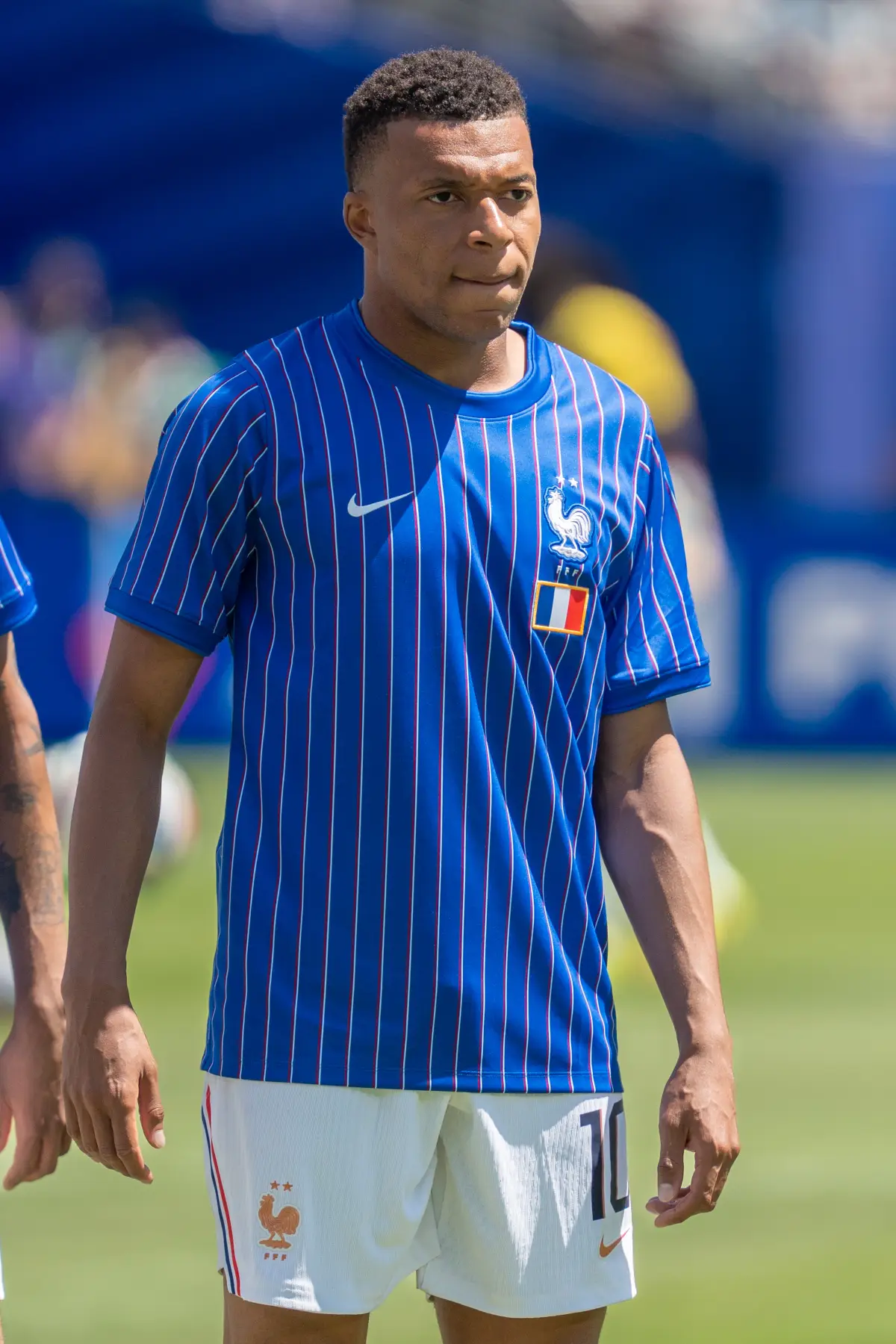
France demolished Sweden 3-0 with Kylian Mbappe scoring twice, his World Cup tally now standing at 18 goals. He needs four to equal Lionel Messi's all-time record. That chase is happening at the right time in a World Cup of genuine story arcs. A dominant France side. A Norwegian team with the best player on earth at the peak of his powers. A Morocco generation defending an identity built across two tournaments. These are not the stories of a competition that has lost its meaning. These are the stories of a competition that has found new ones.
The valid concern about the expanded format was always the group stage, and that concern has some evidence behind it. Some of the opening matches featured scorelines that confirmed the talent gap between the top thirty nations and the rest remains real. A 6-0 is not entertainment. But this is not a new problem: the old 32-team format produced its share of forgettable group stage games, and the answer has never been to limit access rather than to improve the quality of football globally. The tournament structure is not responsible for the fact that some nations are not yet competitive at the highest level. That is a project measured in decades, not in brackets.
What the expanded format has done is create more matches for the teams on the boundary of the conversation to prove they belong. Paraguay beating Germany on penalties is the argument. It is not a soft draw or a fortunate seeding that gave them the opportunity. They played the game. They won it when it mattered. The expanded bracket gave them a platform and they used it to do something genuinely historic.
There is another week of this left before the semi-finals. The Round of 16 features Norway versus Brazil, France versus Paraguay, Morocco in the draw and a dozen other ties that will produce their own moments. The opinion that this tournament would be lesser than its predecessors has not aged well. If anything, the 48-team format has produced a first knockout round that no 32-team edition could have generated: more nations at stake, more stories in play, more moments that will be replayed for years. The sceptics were measuring the wrong thing. They counted teams and saw quantity. The tournament delivered quality precisely because the quantity created the conditions for it.
The expansion also forced a recalibration of what we consider a failed World Cup for a major nation. Finishing third in your group and exiting in the Round of 32 is now a genuine possibility for sides that would previously have safely navigated a 32-team format into the round of 16. That raises the stakes for every team across every group game. The pressure did not diminish with the extra spots. It redistributed. And what it revealed, in the case of Germany, in the case of the Netherlands, in the case of every favoured nation now watching from home, is that the margin for error at the very top of the game is thinner than the bracket size would suggest.
The 2026 World Cup is not the tournament its critics imagined. It is better. For all the World Cup updates as the Round of 16 takes shape, follow the football news.